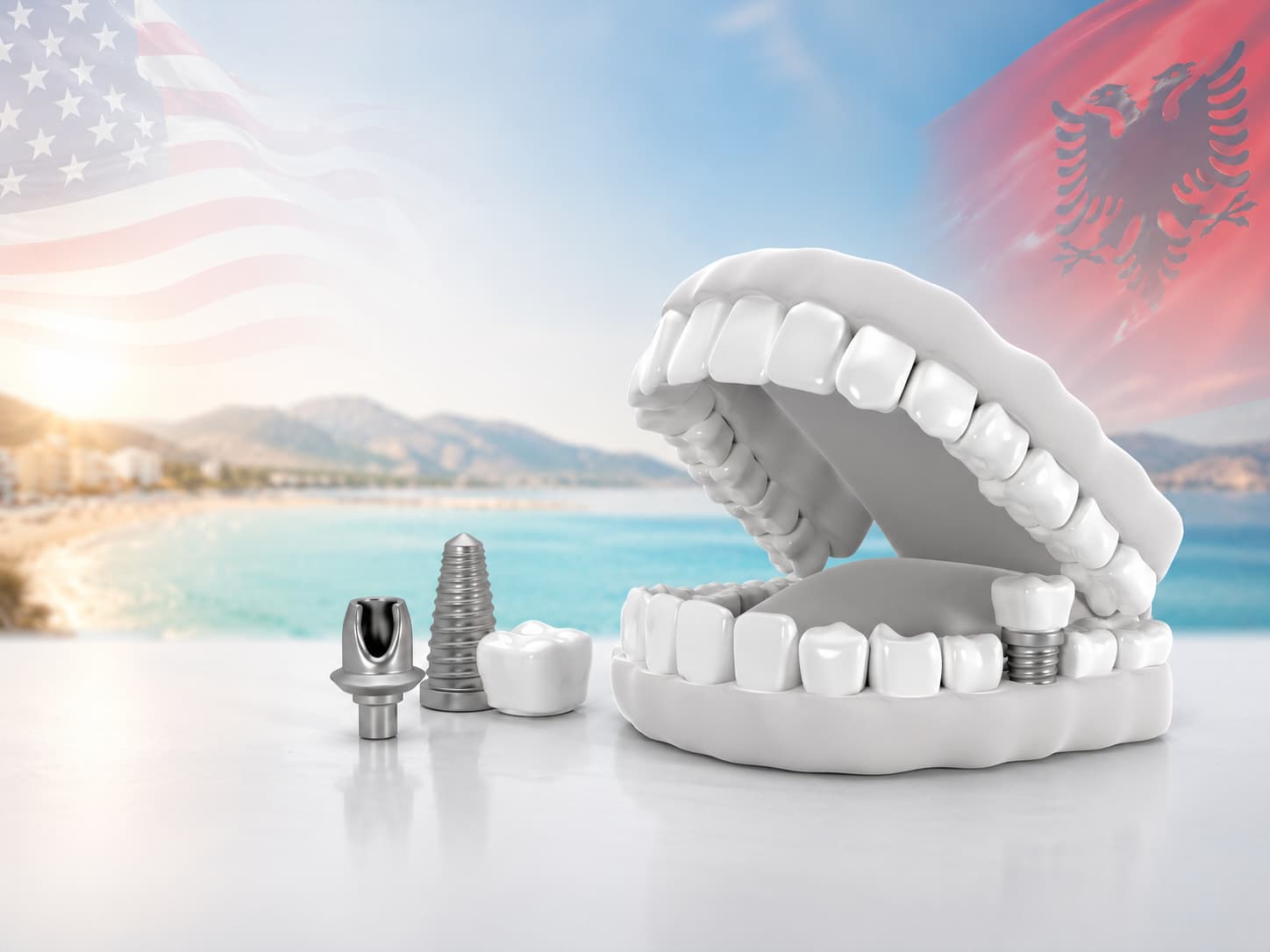



Dental implants are widely recognized as the most effective long-term solution for tooth loss. However, in the United States, access to implant treatment is limited by cost.
According to the American College of Prosthodontists:
- Approximately 178 million Americans are missing at least one tooth
- Around 40 million Americans are completely edentulous
- Tooth loss increases significantly after age 50
Despite this need, implant adoption remains relatively low. One of the primary reasons is cost.
A 2025 healthcare expenditure analysis shows that:
- Less than 30% of patients who are recommended implants proceed with treatment
- Over 60% cite financial barriers as the main reason
This gap between clinical need and affordability has led to a measurable increase in traveling abroad for dental implants, especially in the past five years.
Detailed Cost Structure of Dental Implants in the USA
Average Pricing by Procedure (2026 Estimates)
Procedure | Average Cost (USA) | Range |
|---|---|---|
Single Implant (implant only) | $2,500 | $2,000 – $4,000 |
Implant + Abutment + Crown | $4,500 | $3,500 – $8,000 |
All-on-4 (per arch) | $22,000 | $18,000 – $35,000 |
All-on-6 (per arch) | $28,000 | $22,000 – $40,000 |
Full Mouth Reconstruction | $45,000 | $35,000 – $80,000 |
Additional Procedures and Their Costs
Procedure | Cost Range |
|---|---|
Bone Grafting | $500 – $3,000 |
Sinus Lift | $1,500 – $5,000 |
CT Scan (CBCT) | $300 – $1,000 |
Tooth Extraction | $150 – $500 per tooth |
Insurance Coverage Reality
- Most US dental insurance plans do not fully cover implants
- Coverage, if available, is often limited to $1,000 – $2,000 annually
- Implants are frequently categorized as cosmetic or elective procedures
This means that the majority of patients pay out-of-pocket, making full-mouth treatments financially inaccessible.
Economic Drivers Behind High US Pricing
1. Labor Costs
- Specialist salaries (oral surgeons, prosthodontists) are among the highest globally
- Support staff, hygienists, and administrative roles significantly increase overhead
2. Regulatory Environment
- Strict compliance requirements
- High malpractice insurance premiums
- Extensive licensing and operational costs
3. Infrastructure and Overhead
- Clinic rent in major cities (New York, Los Angeles, Miami)
- Advanced equipment costs (CBCT scanners, CAD/CAM systems)
4. Corporate Dentistry Expansion
- Large dental chains allocate significant budgets to marketing and branding
- These costs are passed directly to patients
Growth of Dental Tourism Among Americans
Market Size and Growth
- The global dental tourism market is projected to reach $18 billion by 2027
- Annual growth rate is estimated at 15% to 20%
- The United States remains one of the largest source countries for outbound dental patients
Key Growth Drivers
- Rising healthcare costs in the US
- Increased transparency in international pricing
- Expansion of online consultation platforms
- Growth of patient review ecosystems
Demographics of Dental Tourists
- Age group: primarily 35 to 65 years old
- Income level: middle-income individuals without comprehensive dental insurance
- Treatment type: predominantly full-mouth restorations and multiple implants
Comparative Cost Analysis – USA vs International Destinations
Detailed Price Comparison
Treatment | USA | Albania | Mexico | Turkey | Costa Rica |
|---|---|---|---|---|---|
Single Implant | $3,000 – $6,000 | $400 – $900 | $800 – $1,200 | $500 – $1,000 | $900 – $1,500 |
Implant + Crown | $4,500 – $8,000 | $700 – $1,200 | $1,200 – $2,000 | $1,000 – $1,800 | $1,500 – $2,500 |
All-on-4 (per arch) | $20,000+ | $2,500 – $3,500 | $4,000 – $6,000 | $2,500 – $4,000 | $6,000 – $9,000 |
Full Mouth | $40,000 – $60,000 | $5,000 – $8,000 | $8,000 – $12,000 | $6,000 – $10,000 | $10,000 – $15,000 |
Net Savings After Travel Costs
Typical travel expenses:
- Flights: $500 – $1,200
- Accommodation: often included
- Local transport: included
Even after travel, patients can save:
- $15,000 – $50,000+
Clinical Quality and Technology Comparison
Implant Materials and Brands
Top international clinics use:
- Titanium implants (Grade 4 or 5)
- Brands such as Straumann, Nobel Biocare, MIS
Technology Used
- 3D CBCT imaging
- Digital smile design
- CAD/CAM prosthetics
- Guided implant surgery
These technologies are equivalent to those used in high-end US clinics.
Safety and Success Rates
Global Success Rates
- Dental implant success rate: 95% – 98% over 10 years
- Failure rates are primarily linked to:
- Poor bone quality
- Smoking
- Uncontrolled diabetes
Key Safety Indicators
Patients should evaluate:
- Surgeon experience (number of cases performed)
- Sterilization protocols
- Implant system used
- Warranty or guarantee policies
Risk Assessment
The primary risk is not geographic location, but:
- Choosing low-quality clinics
- Lack of proper diagnosis
- Inadequate follow-up care
Treatment Timeline for International Patients
Phase 1: Diagnosis and Planning
- Remote consultation
- Review of X-rays or CBCT scans
- Treatment plan approval
Phase 2: Surgical Visit
- Duration: 3 to 5 days
- Procedures:
- Implant placement
- Temporary prosthesis (if applicable)
Phase 3: Healing Period
- Duration: 3 to 6 months
- Osseointegration process
Phase 4: Final Restoration
- Placement of permanent zirconia or ceramic teeth
What Is Typically Included in Treatment Packages
Many international clinics provide integrated packages that include:
- Consultation and diagnostics
- Surgical procedure
- Temporary prosthesis
- Final prosthesis
- Accommodation
- Airport transfers
- Patient coordination services
These bundled services reduce logistical complexity for patients.
Advantages and Limitations
Advantages
- Significant cost reduction
- Access to advanced dental technologies
- Shorter waiting times
- Comprehensive treatment packages
Limitations
- Need for international travel
- Requirement for multiple visits in full-mouth cases
- Coordination of follow-up care
Patient Suitability Criteria
Traveling abroad for dental implants is most suitable for:
- Patients requiring full-mouth reconstruction
- Individuals without sufficient insurance coverage
- Patients seeking cost-efficient alternatives
- Those able to travel internationally
Conclusion
The increase in traveling abroad for dental implants reflects a structural shift in healthcare decision-making among Americans.
Patients are increasingly evaluating treatment options based on:
- Cost efficiency
- Clinical quality
- Accessibility
International dental care providers have positioned themselves as viable alternatives by offering:
- Comparable technology
- Experienced clinicians
- Substantially lower prices
As a result, dental tourism is expected to continue growing as a practical solution for patients seeking both affordability and quality.